
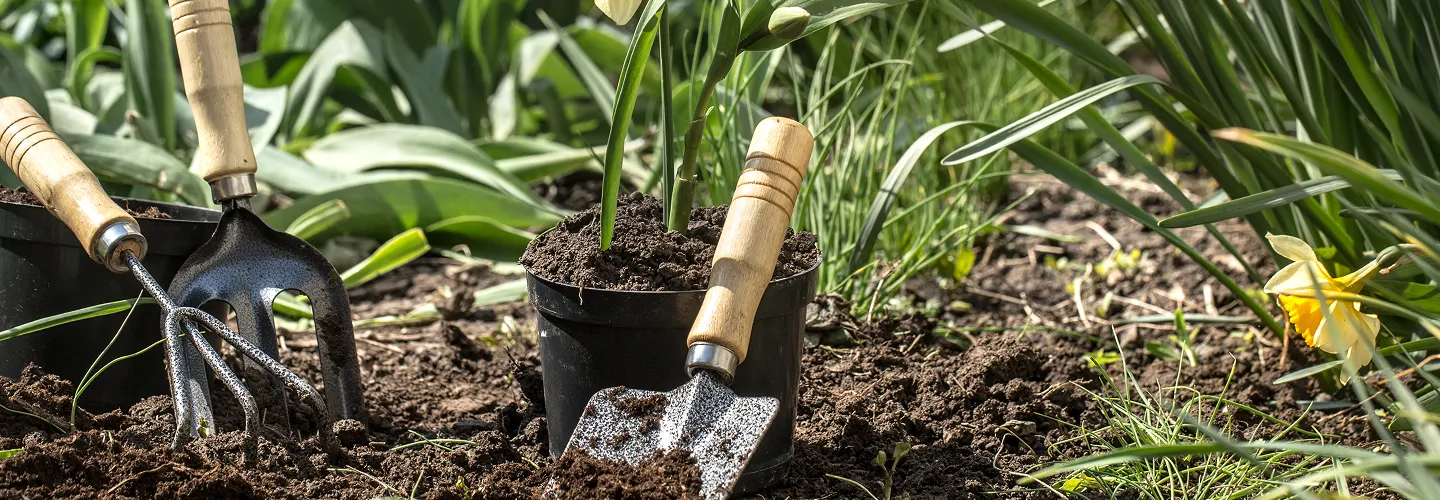
Glastonbury Lawn Leveling Services
Choose our expert lawn leveling services for a healthier, safer, and more beautiful yard—our experienced team uses advanced techniques to ensure lasting results and customer satisfaction.
Get a Free QuoteOur Glastonbury Landscaping & Yard Care Services
When to Schedule Lawn Leveling in Glastonbury, Connecticut – Seasonal Guide
In Glastonbury, Connecticut, the best time to schedule lawn leveling is typically during late spring or early fall. These seasons offer moderate temperatures and consistent rainfall, which help newly leveled lawns recover quickly and establish healthy growth. Glastonbury’s climate, with its cold winters and humid summers, means that working the soil when it’s neither too wet nor too dry is crucial for optimal results. Neighborhoods near Addison Park or along Main Street often experience varying shade coverage and soil types, making timing even more important for a successful project.
Local environmental factors such as the last frost date—usually in late April—and the risk of summer droughts should be considered when planning your lawn leveling. Areas with dense tree coverage, like those near the Connecticut River, may require special attention due to increased shade and leaf litter. Additionally, Glastonbury’s mix of clay and loam soils can impact drainage and the effectiveness of leveling. For more information on local regulations and best practices, consult the Sudbury municipal resources.
Local Factors to Consider for Lawn Leveling in Glastonbury
- Tree density and shade coverage, especially in established neighborhoods
- Soil type (clay, loam, or sandy soils) and drainage characteristics
- Typical precipitation patterns and risk of drought
- Terrain slope and unevenness, particularly in hilly areas
- Municipal restrictions or guidelines for landscaping projects
- Proximity to landmarks like Addison Park or the Connecticut River
Benefits of Lawn Leveling in Glastonbury

Enhanced Lawn Appearance
Improved Drainage Solutions
Healthier Grass Growth
Increased Property Value
Safe and Even Surfaces
Professional Landscaping Expertise

Glastonbury Lawn Leveling Types

Topdressing Lawn Leveling
-
Laser Grading
-
Sod Removal and Regrading
-
Soil Compaction Correction
-
Drainage Improvement Leveling
-
Power Raking and Leveling
-
Manual Lawn Leveling
Our Lawn Leveling Process
Site Evaluation
Soil Preparation
Leveling Application
Compaction
Final Inspection
Why Choose Glastonbury Landscape Services

-
Glastonbury Homeowners Trust Us
-
Expert Lawn Maintenance
-
Reliable Seasonal Cleanups
-
Professional Team
-
Competitive Pricing
-
Personalized Service
-
Satisfaction Guarantee
Glastonbury’s Glacial Till Soils: Site Preparation and Leveling Challenges
Lawn leveling in Glastonbury requires careful consideration of the town’s predominant glacial till soils, which are typically classified as Inceptisols and Ultisols according to the USDA Web Soil Survey. These soils are often rocky, moderately acidic (pH 5.5–6.5), and can exhibit poor drainage, especially in low-lying areas. Before leveling, it is essential to conduct a soil test—available through UConn Extension—to determine pH and organic matter content. Recommended site preparation steps include:
- Removing surface stones and debris to a depth of 4–6 inches
- Incorporating 2–3 inches of compost to improve structure
- Applying lime if pH is below 6.0
- Ensuring proper grading to direct runoff away from structures Coordination with the municipal engineering department is advised for properties near wetlands or with significant slope.
Glastonbury Engineering Department
2155 Main Street, Glastonbury, CT 06033
Phone: (860) 652-7735
Official Website: Glastonbury Engineering Department
Equipment Operation Hours and Noise Ordinance Compliance for Lawn Leveling in Glastonbury
Lawn leveling activities in Glastonbury are subject to municipal noise ordinances and equipment operation restrictions. According to local code, powered landscaping equipment may be operated during the following hours:
- Monday–Friday: 7:00 AM – 7:00 PM
- Saturday: 8:00 AM – 6:00 PM
- Sunday and holidays: Prohibited All commercial operators must ensure equipment mufflers are functional and noise does not exceed 85 decibels at the property line. For projects near residential zones or schools, additional restrictions may apply. Operators are required to maintain a 15-foot buffer from public sidewalks and roadways during active work. For clarification on enforcement or to report violations, contact:
Glastonbury Police Department
2108 Main Street, Glastonbury, CT 06033
Phone: (860) 633-8301
Official Website: Glastonbury Police Department
Stormwater Management and Wetland Buffer Requirements for Lawn Leveling Projects
Lawn leveling in Glastonbury must comply with both local and state stormwater management regulations to protect the Connecticut River, Roaring Brook, and sensitive wetland areas. The Connecticut Environmental Protection Act and the town’s MS4 permit prohibit the discharge of soil, debris, or sediment into storm drains. Key requirements include:
- Maintain a 25-foot no-disturbance buffer from all wetlands
- Install silt fencing or straw wattles on slopes exceeding 5%
- Prohibit soil stockpiling within 50 feet of water bodies
- Schedule work during dry weather to minimize runoff Violations may result in enforcement actions by the town or state agencies. For permitting and compliance guidance, consult:
Glastonbury Conservation and Wetlands Commission
2155 Main Street, Glastonbury, CT 06033
Phone: (860) 652-7510
Official Website: Glastonbury Conservation and Wetlands Commission
Seasonal Timing and Weather Considerations for Lawn Leveling in Glastonbury
Glastonbury is located in USDA Hardiness Zone 6b, with a typical growing season from mid-April to late October. Optimal lawn leveling is performed in spring (April 15–May 30) or early fall (August 20–September 30), when soil temperatures are between 50–65°F and rainfall is moderate. Avoid leveling during summer heat (June–August) to prevent turf stress and soil compaction. Monitor local weather forecasts through the National Weather Service – Boston/Norton Office for rainfall and temperature trends. Key timing guidelines:
- Spring leveling: April 15–May 30
- Fall leveling: August 20–September 30
- Avoid work after first frost (typically late October)
- Schedule seeding immediately after leveling for best results
What Neighborhoods Do We Serve Throughout Glastonbury, CT?
- South Glastonbury: Characterized by historic properties and mature trees, this area often presents rocky soils and drainage challenges, requiring careful grading and debris removal during lawn leveling.
- Addison: Known for its proximity to the Connecticut River and floodplain soils, properties here may require additional erosion control and compliance with wetland buffer regulations.
- East Glastonbury: Features newer developments with compacted fill soils and moderate slopes, necessitating soil amendment and attention to runoff management.
- Nayaug: Contains a mix of older homes and conservation lands, with variable soil pH and frequent wet spots, making soil testing and drainage solutions essential.
- Buckingham: Includes large lots and open spaces, often with clay-rich soils that benefit from compost incorporation and periodic aeration during leveling.
- Hopewell: Rural character with sloped sites and woodland edges, requiring erosion controls and adherence to setback requirements from protected areas.
Municipal Permitting and Professional Standards for Lawn Leveling in Glastonbury
All significant lawn grading or leveling projects in Glastonbury may require review by the Building Inspection and Zoning Department, especially if altering drainage patterns or working near property lines. Permit applications typically require:
- Site plan showing proposed grading
- Erosion and sediment control measures
- Application fee (commonly $50–$75)
- Review period of 5–10 business days Professional standards mandate the use of:
- Commercial-grade leveling rakes and compactors
- PPE: ANSI Z87.1 safety glasses, hearing protection, steel-toed boots
- Soil compaction testing to ensure proper turf establishment For permit applications and code compliance, contact:
Glastonbury Building Inspection and Zoning Department
2155 Main Street, Glastonbury, CT 06033
Phone: (860) 652-7526
Official Website: Glastonbury Building Inspection and Zoning Department
For additional technical guidance, consult UConn Extension for soil testing and turf management recommendations, and review federal requirements under the Clean Water Act for stormwater compliance.