
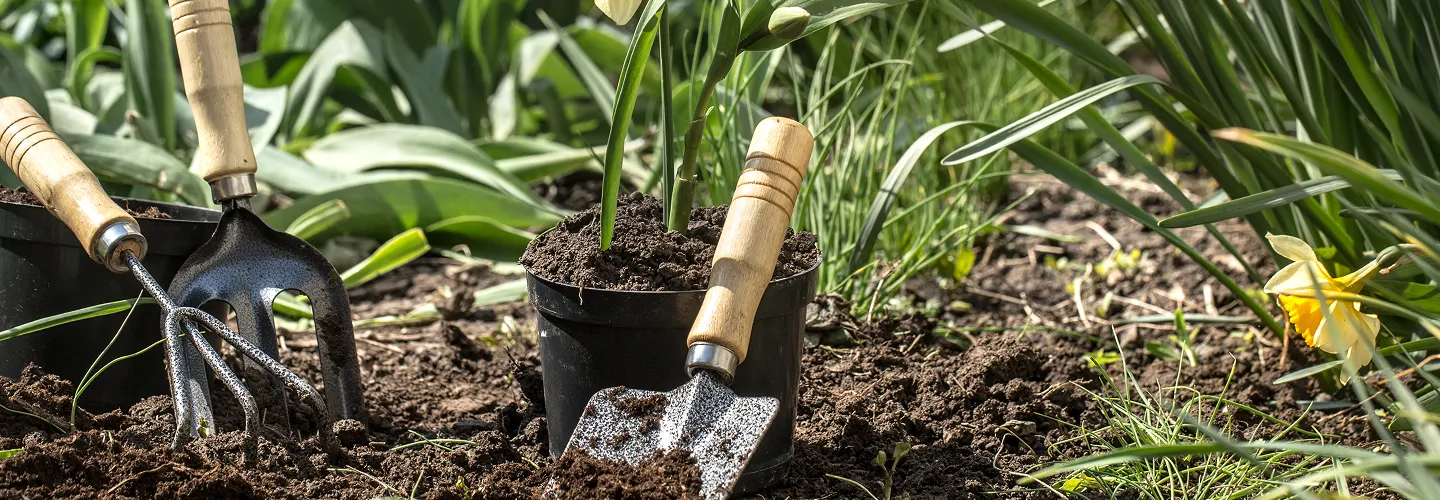
Glastonbury Fertilizing Lawn Services
Choose our fertilizing lawn services for lush, healthy grass that stands out all season—expert care, premium products, and proven results for a greener, more vibrant yard.
Get a Free QuoteOur Glastonbury Landscaping & Yard Care Services
When to Schedule Fertilizing Lawn in Glastonbury, Connecticut – Seasonal Guide
Fertilizing your lawn in Glastonbury, Connecticut, requires careful timing to ensure lush, healthy grass throughout the growing season. The best periods for fertilization are typically early spring—after the last frost—and early fall, when temperatures are moderate and grass roots can absorb nutrients efficiently. Glastonbury’s climate, with its cold winters and humid summers, means that lawns in neighborhoods like South Glastonbury and near Addison Park benefit most from a tailored fertilization schedule that accounts for local weather patterns and soil conditions.
Local environmental factors play a significant role in determining the optimal fertilizing window. For example, areas with dense shade from mature maples or oaks, such as those near Buckingham Road, may require different timing than open, sun-drenched lawns. Soil type—ranging from sandy loam to heavier clay—also affects how nutrients are absorbed. Additionally, it’s important to consider municipal guidelines and best practices for sustainable lawn care, which you can find on the Town of Sudbury’s resource page.
Local Factors to Consider for Fertilizing Lawn in Glastonbury
- Tree density and shade coverage (e.g., mature trees in Nayaug area)
- Soil composition and drainage
- Average precipitation and drought risk
- Frost dates and seasonal temperature shifts
- Terrain slope and runoff potential
- Municipal restrictions or recommendations
Benefits of Fertilizing Lawn in Glastonbury

Enhanced Lawn Health
Thicker, Greener Grass
Improved Weed Resistance
Stronger Root Development
Increased Disease Protection
Boosted Curb Appeal
Glastonbury Fertilizing Lawn Types

Cool-Season Grass Fertilization
-
Warm-Season Grass Fertilization
-
Organic Lawn Fertilization
-
Weed and Feed Treatments
-
Starter Fertilizer Applications
-
Slow-Release Fertilizer Programs
-
Seasonal Fertilizer Scheduling
Our Fertilizing Lawn Process
Soil Analysis
Fertilizer Selection
Application Scheduling
Even Fertilizer Distribution
Post-Application Inspection
Why Choose Glastonbury Landscape Services
-
Glastonbury Homeowners Trust Us
-
Expert Lawn Maintenance
-
Reliable Seasonal Cleanups
-
Professional Team
-
Competitive Pricing
-
Personalized Service
-
Satisfaction Guarantee
Glastonbury’s Glacial Till Soils: Fertilizer Application and Soil Health
Glastonbury’s predominant soils are classified as Inceptisols and Ultisols, with extensive glacial till deposits that are often rocky, moderately acidic (pH 5.5–6.5), and prone to poor drainage in low-lying areas. Before fertilizing, it is essential to conduct a soil test—available through UConn Extension—to determine nutrient needs and pH adjustment requirements. Lime applications are recommended for pH below 6.0, while compost incorporation (2–3 inches tilled to 6-inch depth) improves organic matter and drainage. For detailed soil mapping, consult the USDA Web Soil Survey. Fertilizer should be applied at a rate of 2–3 lbs nitrogen per 1,000 sq ft annually, split between spring and fall. Avoid fertilizing within 50 feet of wetlands or water bodies to comply with local and state environmental regulations.
Glastonbury Conservation and Wetlands Commission
2155 Main Street, Glastonbury, CT 06033
Phone: (860) 652-7510
Official Website: Glastonbury Conservation and Wetlands Commission
Seasonal Fertilizer Timing for Glastonbury’s Cool-Season Lawns
Glastonbury is located in USDA Hardiness Zone 6b, with a growing season typically from mid-April to late October. Cool-season grasses such as Kentucky bluegrass (Poa pratensis) and perennial ryegrass (Lolium perenne) are best fertilized in early May (when soil temperature reaches 55°F) and again in early September. Avoid fertilization during the summer heat (June–August) to prevent turf stress and nutrient runoff. The National Weather Service Boston/Norton office provides local soil temperature and precipitation data to guide optimal timing. Recommended timing windows:
- Spring: April 20 – May 15 (soil temp 50–65°F)
- Fall: September 1 – October 10 (before first frost)
- Avoid: June–August (heat stress period) Proper timing reduces nutrient leaching and supports healthy turf establishment.
Stormwater Compliance and Buffer Zones Near Glastonbury Wetlands
Fertilizer use in Glastonbury is regulated to protect local wetlands, the Connecticut River, and tributaries such as Roaring Brook. The Connecticut Environmental Protection Act and the town’s MS4 stormwater permit prohibit fertilizer application within 25 feet of wetlands and 50 feet of open water. Buffer zones must be maintained, and no fertilizer or grass clippings may enter storm drains, as required by the Clean Water Act. Key compliance steps:
- Maintain a 25-foot no-disturbance buffer from wetlands
- No fertilizer within 50 feet of water bodies
- Prohibit clippings and runoff into storm drains
- Use slow-release, phosphorus-free products unless soil test indicates deficiency
Glastonbury Department of Public Works
2155 Main Street, Glastonbury, CT 06033
Phone: (860) 652-7732
Official Website: Glastonbury Department of Public Works
Connecticut Department of Energy and Environmental Protection
79 Elm Street, Hartford, CT 06106
Phone: (860) 424-3000
Official Website: Connecticut Department of Energy and Environmental Protection
Municipal Coordination: Fertilizer Storage, Application, and Equipment Standards in Glastonbury
All fertilizer storage and application activities in Glastonbury must comply with municipal ordinances and safety protocols. Equipment operation for lawn care is permitted:
- Monday–Friday: 7:00 AM – 7:00 PM
- Saturday: 8:00 AM – 6:00 PM
- Sunday and holidays: Prohibited Commercial applicators must use calibrated spreaders and maintain a 15-foot setback from property lines. Personal protective equipment (PPE) is required, including ANSI Z87.1 safety glasses, gloves, and hearing protection for equipment exceeding 85 dB. Fertilizer storage must be in sealed, labeled containers, away from storm drains and water sources. For questions on compliance or reporting spills, contact the Department of Public Works.
Glastonbury Department of Public Works
2155 Main Street, Glastonbury, CT 06033
Phone: (860) 652-7732
Official Website: Glastonbury Department of Public Works
What Neighborhoods Do We Serve Throughout Glastonbury, CT?
- Addison: Features mature landscapes and clay-rich soils with moderate drainage, requiring careful timing and soil amendment for effective fertilization.
- South Glastonbury: Proximity to the Connecticut River and extensive wetlands necessitates strict buffer compliance and phosphorus-free fertilizer use.
- East Glastonbury: Newer developments with compacted fill soils and smaller lots, often needing soil testing and lime application to correct acidity.
- Nayaug: Historic district with large lots, mature trees, and variable drainage; extra attention to runoff prevention and equipment access is required.
- Buckingham: Contains both residential and agricultural parcels, with sandy loam soils and higher risk of nutrient leaching, making slow-release products essential.
- Hopewell: Rural area with sloped sites and proximity to conservation lands, requiring erosion control and adherence to wetland buffer regulations.
- Buttonball: Suburban neighborhood with moderate tree cover and typical glacial till soils, presenting standard fertilization challenges and opportunities for soil improvement.